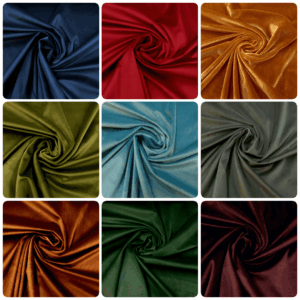
Curtains are more than just window coverings; they’re a style statement, a light filter, and a way to bring warmth and personality to any room. But with so many choices available, selecting the right curtain fabric can feel overwhelming. Fear not, Fabric Land is here to guide you through the process, ensuring you find the perfect material to transform your windows from drab to fab! Plus, we’ll even give you a basic guide to making your own!
Top Tips for Choosing Your Curtain Fabric:
Before you dive into our extensive collection, consider these key factors:
-
Light Control & Privacy:
- Sheer Fabrics (e.g., Voile, Lace): Perfect for letting in maximum light while offering a touch of privacy. Ideal for living rooms or spaces where you want an airy feel. They won’t block out sunlight completely.
- Lightweight Fabrics (e.g., Cotton, Linen): Offer a good balance of light filtration and privacy. They create a soft, diffused light.
- Medium-weight Fabrics (e.g., Velvet, Chenille, Brocade): Provide more substantial light blocking and better privacy. Great for bedrooms or living rooms where you want to reduce glare.
- Blackout Fabrics/Linings: Essential for bedrooms or media rooms where complete darkness is desired. These fabrics have a special coating that blocks out all light. You can also buy blackout lining to add to your chosen fashion fabric.
-
Drape & Body: How your curtains hang is crucial to their overall look.
- Softer, Lighter Fabrics (e.g., Silk, Faux Silk, Voile): Tend to drape more fluidly and create elegant, flowing lines.
- Heavier Fabrics (e.g., Velvet, Damask, Tweed): Have more structure and create a more formal, substantial look. They hold their shape well.
- Consider the Heading: The way your curtains attach to the pole or track (e.g., pencil pleat, eyelet) will also influence the drape. Some fabrics suit certain headings better than others.
-
Durability & Care:
- High-Traffic Areas/Homes with Pets or Children: Opt for durable, easy-to-clean fabrics like cotton blends, polyester, or even some treated velvets.
- Sunlight Exposure: If your window gets a lot of direct sunlight, choose fabrics that are resistant to fading. Polyester and acrylic tend to hold their colour well. Delicate silks can weaken over time with prolonged sun exposure.
- Cleaning: Check the care instructions! Some fabrics are machine washable, while others are dry clean only. Consider this based on your lifestyle.
-
Colour & Pattern: This is where your personal style shines!
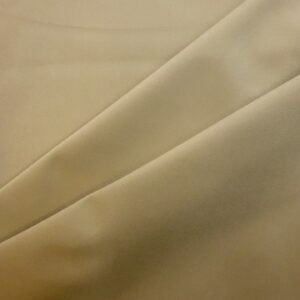
- Solid Colours: Versatile and can easily blend with existing décor or make a bold statement. Consider the mood you want to create – light colours can make a room feel larger, while dark colours can add cosiness.
- Patterns: Can add visual interest and personality.
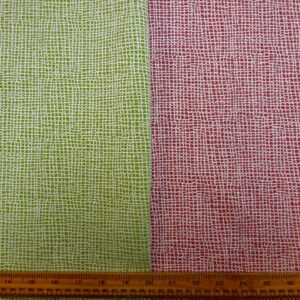
- Small Patterns: Add texture without overwhelming the room.
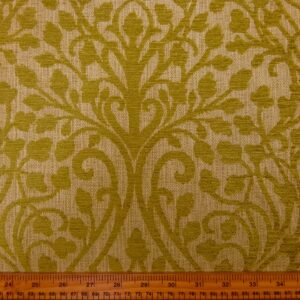
- Large Patterns: Can be a focal point, but ensure the scale is appropriate for your room size and window height.
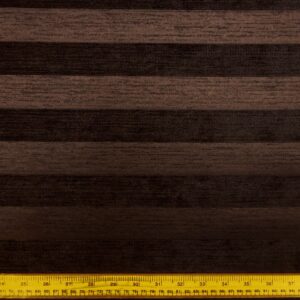
- Stripes: Vertical stripes can make windows appear taller, while horizontal stripes can make them seem wider.
- Match Your Décor: Coordinate your curtain fabric with your wall colour, furniture, and accessories for a cohesive look. Fabric Land offers a wide range of swatches to help you match colours perfectly at home.
-
Insulation & Soundproofing:
- Heavier, Denser Fabrics (e.g., Velvet, Thermal-lined fabrics): Can provide an extra layer of insulation, helping to keep your room warmer in winter and cooler in summer. They can also help to muffle outside noise.
Fabric Land’s Quick Guide to Making Your Own Simple Lined Curtains:
Feeling creative? Making your own curtains is a rewarding project! Here’s a basic guide for simple, pencil pleat lined curtains:
What You’ll Need:
- Fashion Fabric: Your chosen curtain material from Fabric Land.
- Lining Fabric: (e.g., Cotton sateen, Blackout lining).
- Measuring Tape: Essential for accuracy!
- Fabric Scissors: Sharp scissors for clean cuts.
- Pins: To hold fabric together while sewing.
- Sewing Machine: With a straight stitch function.
- Matching Thread: For both your fashion fabric and lining.
- Curtain Heading Tape (Pencil Pleat): The width of your finished curtain panels.
- Curtain Weights (Optional): To help your curtains hang beautifully.
- Iron & Ironing Board: For pressing seams.
Step-by-Step Guide:
-
Measure Your Window:
- Width: Measure your curtain track or pole. For pencil pleat curtains, you’ll typically need 2 to 2.5 times this measurement in fabric width for a good gather (this is your ‘fullness ratio’). Divide this total width by two if you’re making a pair of curtains.
- Length: Measure from the top of the track or pole to where you want the curtains to finish (e.g., sill length, floor length). Add extra for hems and heading tape allowance (typically around 20-30cm in total for length).
-
Calculate Your Fabric:
- Fashion Fabric:
Cut Width per Curtain = (Track/Pole Width * Fullness Ratio / Number of Curtains) + Seam Allowance (approx. 5cm)Cut Length per Curtain = Desired Finished Length + Top Allowance (for heading tape, approx. 5cm) + Bottom Hem Allowance (approx. 15-20cm)
- Lining Fabric:
Cut Width per Curtain = (Track/Pole Width * Fullness Ratio / Number of Curtains) - Slight Reduction (so lining doesn't show, approx. 2-3cm less than fashion fabric)Cut Length per Curtain = Desired Finished Length + Top Allowance - Slight Reduction (so lining sits higher than fashion fabric at the bottom hem, approx. 5-7cm less than fashion fabric cut length)
- Fashion Fabric:
-
Cut Your Fabric: Carefully cut your fashion fabric and lining fabric according to your calculations. Ensure your cuts are straight!
-
Prepare the Hems (Fashion Fabric):
- Side Hems: Fold in each side edge by 1.5cm, press, then fold another 1.5cm, press again, and stitch close to the inner fold.
- Bottom Hem: Fold up the bottom edge by 7.5cm, press, then fold another 7.5cm (or your desired hem depth), press, and stitch. Insert curtain weights into the hem corners before stitching closed if using.
-
Prepare the Hems (Lining Fabric):
- Side Hems: Fold in each side edge by 1.5cm, press, then fold another 1.5cm, press again, and stitch.
- Bottom Hem: Fold up the bottom edge by 5cm, press, then fold another 5cm, press, and stitch.
-
Join Fashion Fabric and Lining:
- Lay your fashion fabric panel right side up.
- Lay your lining panel on top, wrong side up (so right sides of fashion fabric and lining are facing each other).
- Align the top edges. The lining will be narrower and shorter than the fashion fabric.
- Pin the side edges of the fashion fabric and lining together. The fashion fabric side hems will wrap around to meet the lining. Stitch down the length of these pinned side edges, ensuring you catch the edge of the lining neatly.
-
Turn and Press: Turn the curtain right side out through the open top. The lining should now be neatly encased within the fashion fabric at the sides. Press the side edges flat. The fashion fabric should have a small border around the lining at the sides and bottom.
-
Attach the Heading Tape:
- At the top edge of your curtain panel, turn over the raw edge of the fashion fabric and lining together by about 2.5cm to the wrong side and press.
- Place your pencil pleat heading tape along this folded top edge on the lining side, ensuring the cords for gathering are accessible.
- Stitch the heading tape to the curtain along the top and bottom edges of the tape, being careful not to sew over the gathering cords. Stitch along any intermediate lines on the tape as per its instructions.
-
Gather Your Curtains:
- Securely knot the cords at one end of the heading tape.
- From the other end, gently pull the cords to gather the curtain to the desired width (half your track/pole width for each curtain in a pair).
- Once gathered, tie the cords securely (but in a way you can undo them for future washing).
-
Hang Your Masterpiece! Insert curtain hooks into the heading tape and hang your new, beautifully homemade curtains!
Fabric Land is Your Partner in Creation!
At Fabric Land, we stock a vast array of curtain fabrics, linings, heading tapes, and all the accessories you’ll need. Our knowledgeable staff are always on hand to offer advice and help you calculate your fabric requirements.
Don’t be afraid to experiment with different textures, colours, and patterns to create window treatments that truly reflect your style. Happy sewing!