

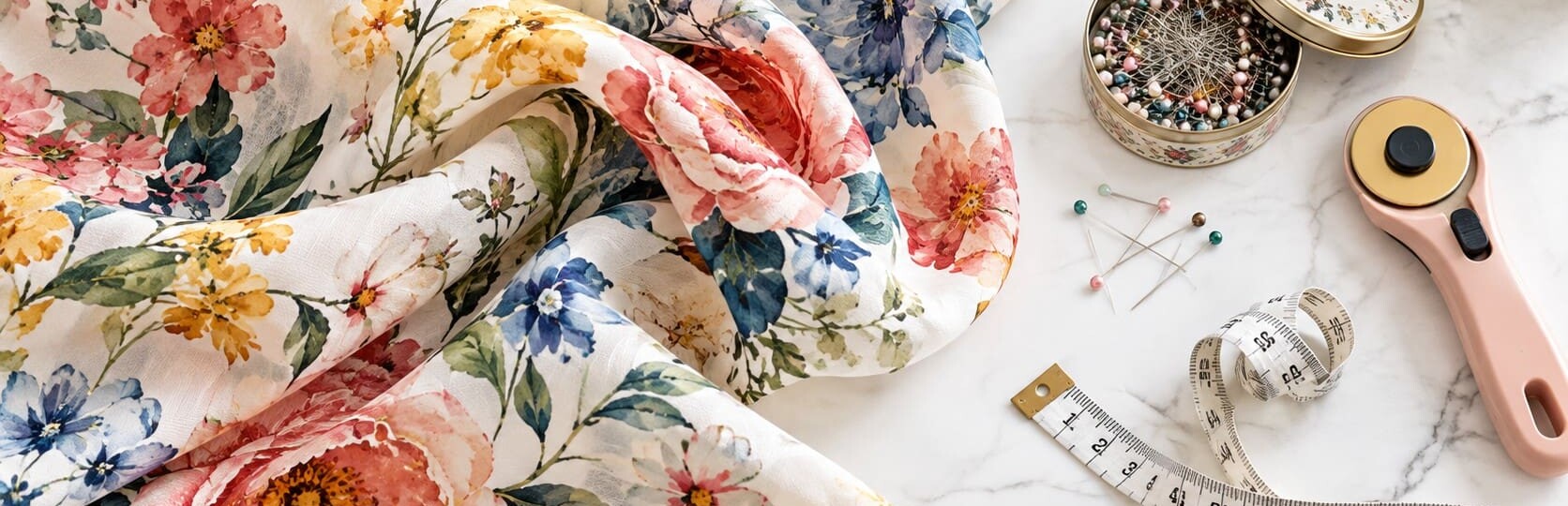
Viscose (also known as rayon) is one of the most highly sought-after dressmaking materials for a reason. It offers the breathable comfort of cotton combined with the luxurious, fluid drape of silk. However, that same beautiful drape can make it incredibly slippery and intimidating to work with if you are used to sewing with stable cottons.
Don’t let the shiftiness put you off! With a little bit of preparation and the right techniques, anyone can master these beautiful textiles. Whether you are planning a summer wrap dress or a floaty blouse, exploring our collection of fluid viscose materials is a fantastic way to elevate your handmade wardrobe.
To help you stitch with confidence, here are our top 5 expert tips for handling, cutting, and sewing slippery fabrics.

1. Always Pre-Wash Your Fabric
Viscose is famous for shrinking during its first wash—sometimes by up to 10%! Never skip the pre-washing stage. Wash your yardage on the exact same temperature and cycle that you plan to use for the finished garment. Once dry, give it a thorough press with a warm iron to smooth out the fibres before you even think about laying out your pattern pieces.
2. Cut in a Single Layer
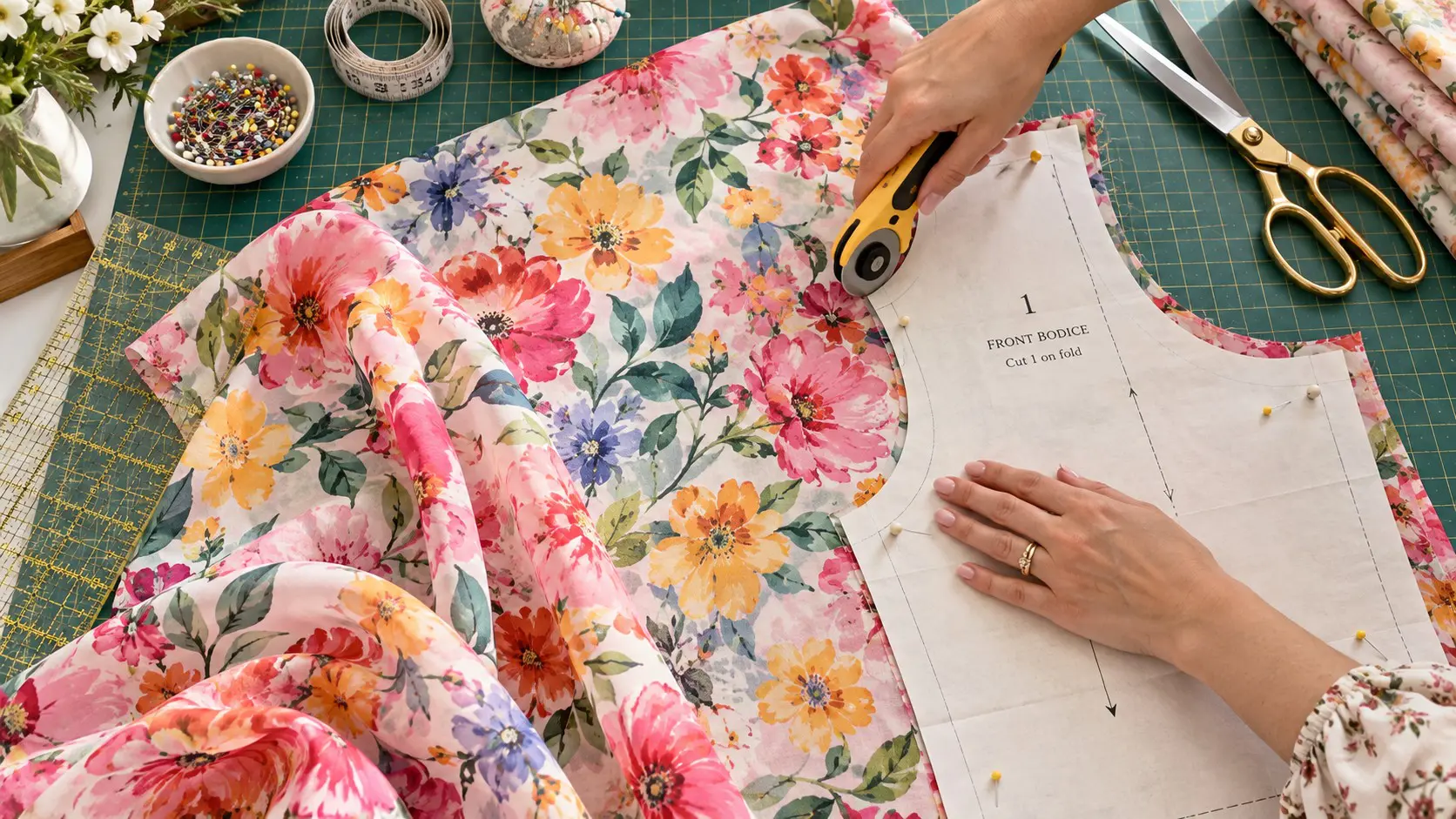
Because viscose loves to slide around, cutting it on the fold can result in distorted, uneven pattern pieces. To guarantee accuracy, trace your pattern pieces onto your fabric in a single layer. Instead of lifting the fabric with standard scissors and shears, try using a rotary cutter and a self-healing mat to keep the material perfectly flat against the table while you cut.
3. Switch to Extra-Fine Pins
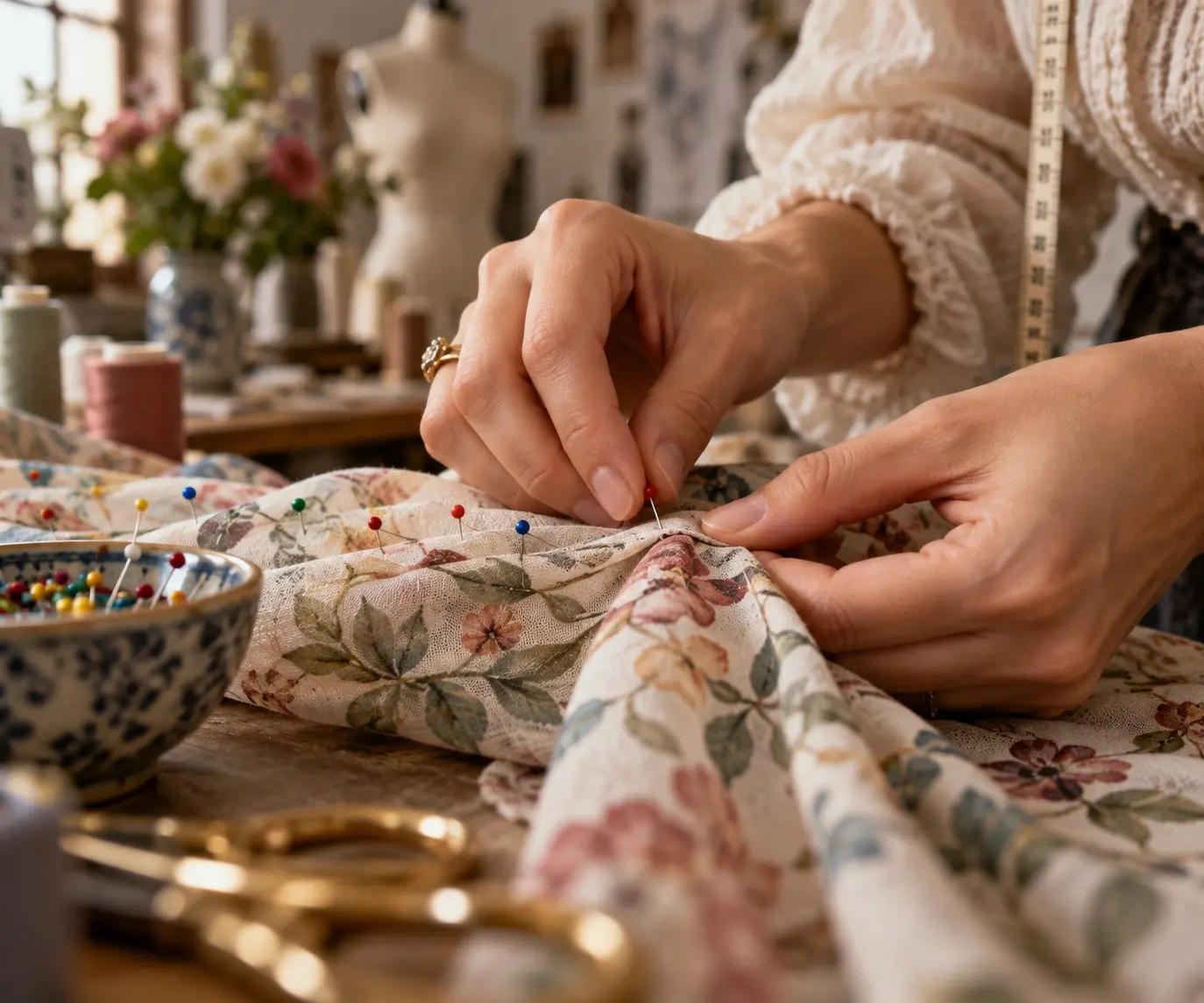
Standard, thick dressmaking pins can easily snag delicate viscose weaves or leave permanent, visible holes. Swap your standard toolkit for extra-fine, silk glasshead pins and needles. Keep your pins strictly within the seam allowance just in case, and pin more frequently than you would with cotton to keep those slippery edges perfectly aligned.
4. Stabilise Your Seams
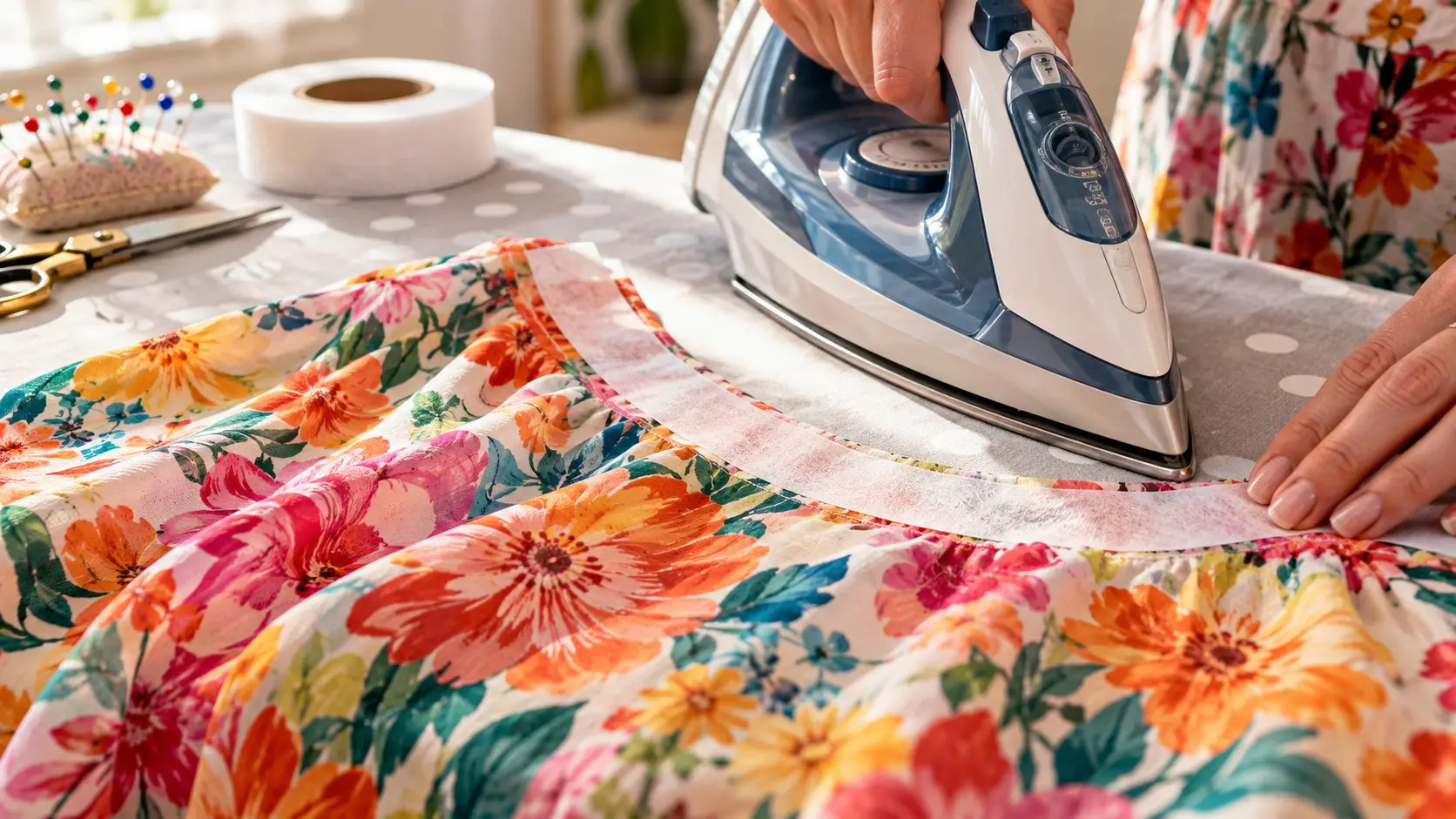
Viscose can stretch out of shape easily, especially on curves like necklines and armholes. To prevent your garment from warping while you sew, apply a strip of lightweight interfacing to those bias-cut edges immediately after cutting. Ensure you choose a very lightweight, pliable interfacing so you don’t ruin the fabric’s natural, floaty drape.
5. Choose the Right Sewing Pattern
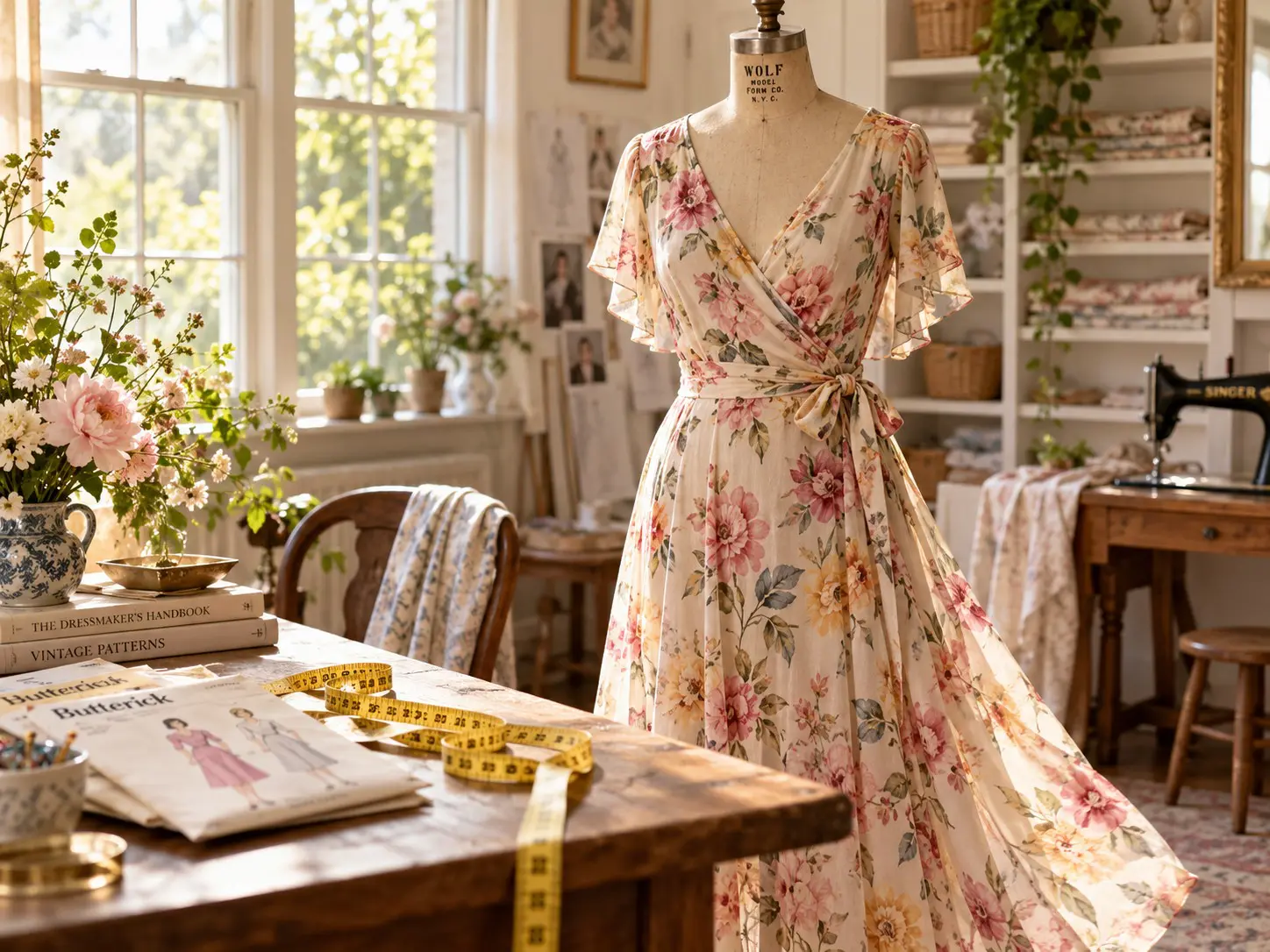
Viscose looks its absolute best when it has room to move. Avoid highly structured garments with stiff tailoring. Instead, opt for patterns designed specifically for drape. Flowing maxi skirts, romantic blouses with gathered sleeves, and classic wrap dresses are all perfect pairings. Explore our extensive range of dress sewing patterns to find the ideal match for your fabric.
Essential Tools for Sewing Viscose
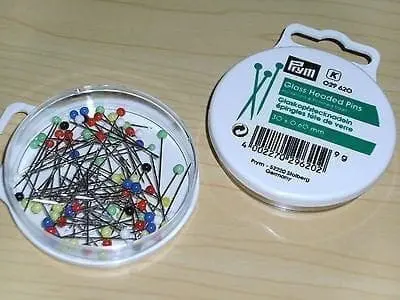
Fine Glasshead Pins
Standard thick pins can leave permanent holes in delicate viscose. Protect your fabric with extra-fine dressmaking pins.
Shop Now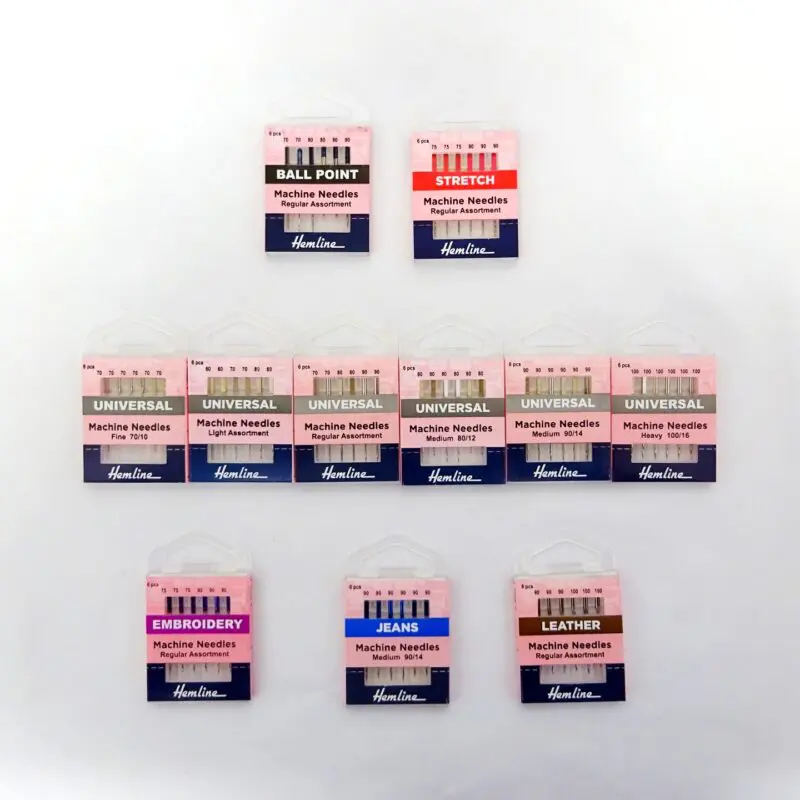
Fresh Machine Needles
Viscose weaves snag easily if your machine needle has even a microscopic burr on the tip. Always start your project with a brand new, sharp universal needle.
Shop Now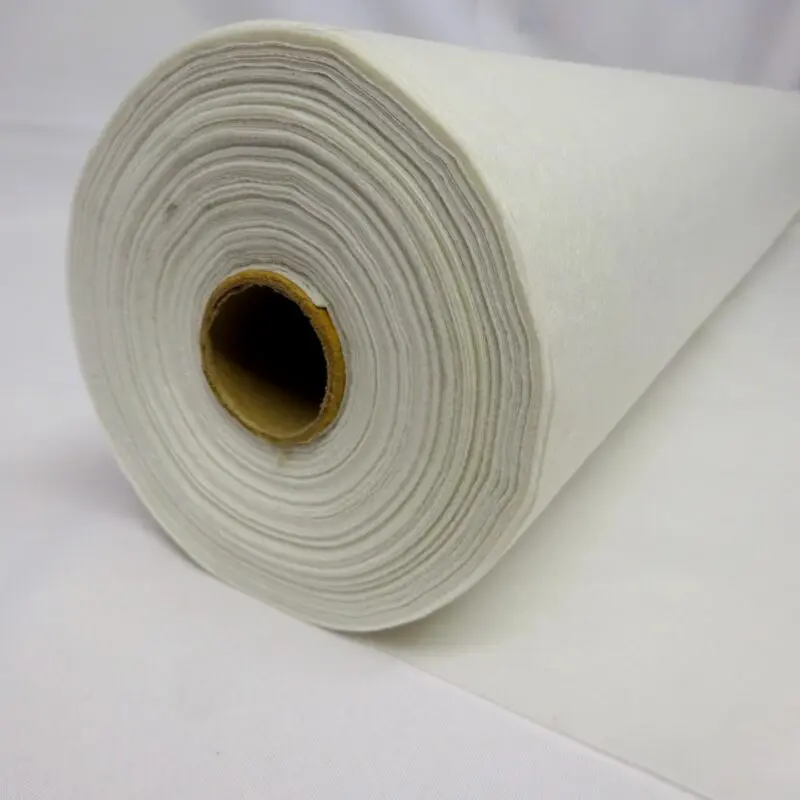
Lightweight Interfacing
Stabilise wobbly necklines and button bands without adding stiff bulk using our lightweight, fusible interfacing.
Shop NowShop Viscose For Your Next Make
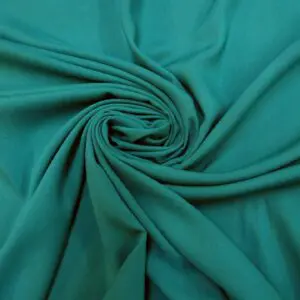
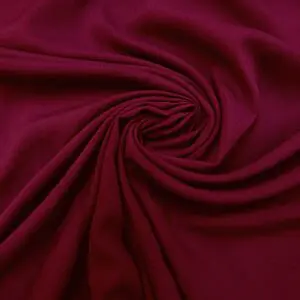
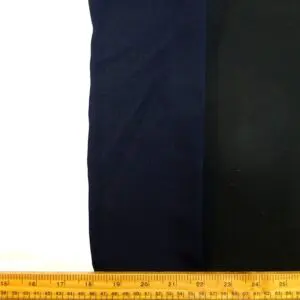

Patterned Viscose Fabric
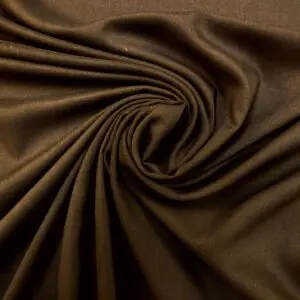
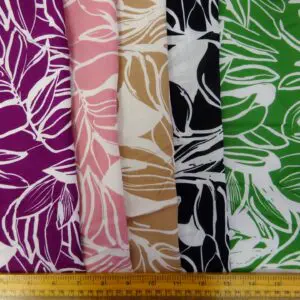
Patterned Viscose Fabric
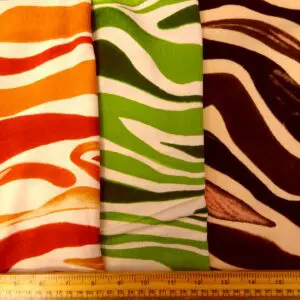
Patterned Viscose Fabric
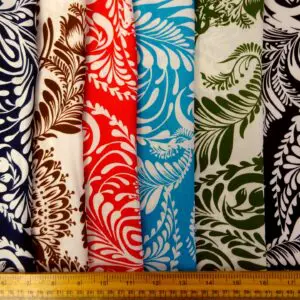
Patterned Viscose Fabric
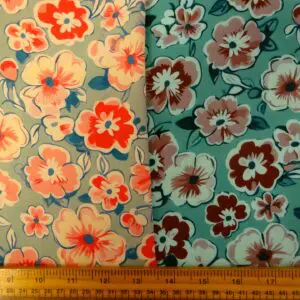
Patterned Viscose Fabric
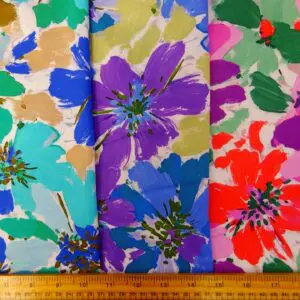
Patterned Viscose Fabric